

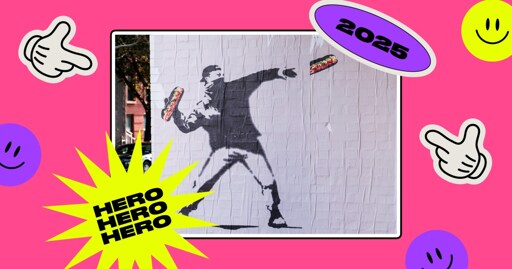
Over the summer, as the Trump administration deployed members of the National Guard and ICE agents to patrol our streets and round up our immigrant neighbors, Dunn went viral for calling the federal law enforcement officers he encountered fascists and for tossing a hoagie—or hero, as the case may be—at one agent’s chest. To locals, the former Department of Justice paralegal’s stunt came across as a slapstick act of resistance in an otherwise unnerving time. To the Trump administration, it was a felony assault.
In the months since Dunn lost his government job and was arrested by a swarm of US marshals armed with guns and riot shields, he’s been idolized by many who oppose the militaristic occupation of DC. But 37-year-old Dunn rejects the hero label, telling HuffPost that the onslaught of praise has made him “uncomfortable.” So I’d like to suggest we salute a different group instead: the grand jurors who declined to indict him.
Grand jury deliberations are secretive and its members are anonymous. It’s unlikely we will ever know, definitively, why the majority of jurors opted against an indictment in Dunn’s case. But given the testimonies about strewn onions and mustard, I find it difficult to believe the group thought Dunn’s actions were completely lawful. Rather, it seems likely that Dunn benefitted from something called jury nullification: a grand jury’s decision to find someone not guilty, not because the jurors don’t believe a crime was committed, but because they felt the law—or the application of it—was unjust.
Don’t 👏 skip 👏 jury 👏 duty 👏