

- cross-posted to:
- usa@lemmy.ml
Footage seen by US senators shows two unarmed, shirtless men struggling to stay afloat before they were killed, sources say
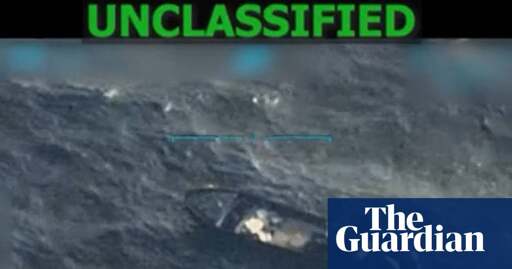
Two men who survived a US airstrike on a suspected drug smuggling boat in the Caribbean clung to the wreckage for an hour before they were killed in a second attack, according a video of the episode shown to senators in Washington.
The men were shirtless, unarmed and carried no visible radio or other communications equipment. They also appeared to have no idea what had just hit them, or that the US military was weighing whether to finish them off, two sources familiar with the recording told Reuters.
The pair desperately tried to turn a severed section of the hull upright before they died. “The video follows them for about an hour as they tried to flip the boat back over. They couldn’t do it,” one source said.
The video of the attack on 2 September was seen by senators behind closed doors on Thursday amid growing concern that the US defence secretary, Pete Hegseth, and other officials who ordered the attack may have committed a war crime.
Even articles condemning this attack refer to it as a “double-tap” strike, which is really misleading because that insinuates quick succession. An attack followed by a separate attack an hour later is not a double-tap
Huh, I hadn’t thought of that implication but I see what you mean. I guess it’s always been kind of misleading though, because it’s not about the delay between strikes, it’s about shooting a target that’s already been neutralized to try to kill survivors.
Seems like the specific phrase might have orginated from a 2003 order the army gave to troops in Iraq (arc), which would explain the minimizing language (while we’re on the subject - blowing someone up with a missile isn’t exactly a “tap,” either), but then groups like Amnesty International ran with it to talk about how the Bush and Obama and Trump administrations would all drone strike targets a second time to kill medical responders.